
01.

Ingredients

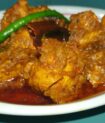
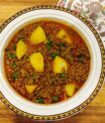
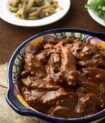
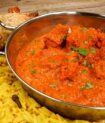
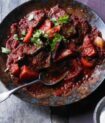
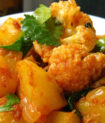
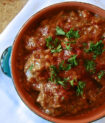
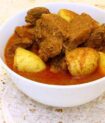
Burmese Curry with Meat (Serves 4)

  • 1 large onion or 4 shallots, roughly chopped

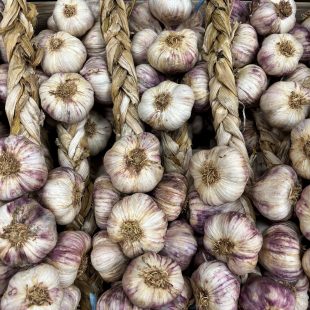
  • 3 garlic cloves, roughly chopped

  • 1 thumb-sized piece of fresh ginger (about 20g), roughly chopped

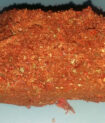
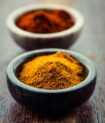
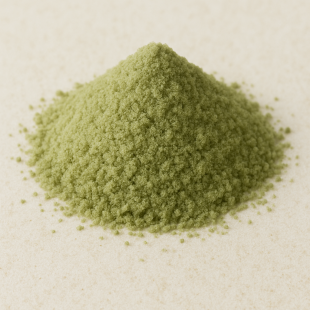
  • 2–3 tsp Burmese Curry Spice (from Spice Mountain), to taste

  • 3 tbsp vegetable oil

  • 1 cup (240ml) good-quality stock (chicken or beef)

  • 2 tbsp fish sauce

  • Juice of ½ a lemon

  • Small handful fresh coriander leaves, chopped (to garnish)

Meat (choose one):

  • 400–500g diced pork or beef

  • Boneless chicken thighs also work well

  • Firm white fish or raw prawns (add these only in the final 10–15 minutes of cooking)

Vegetables (optional):
Choose 300–400g total from the following:

  • Carrots

  • Butternut squash

  • Potatoes or sweet potatoes

  • Okra

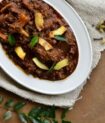
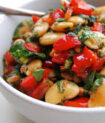
Vegetarian Burmese Curry (Serves 4)

  • 1 large onion or 4 shallots, roughly chopped

  • 3 garlic cloves, roughly chopped

  • 1 thumb-sized piece of fresh ginger (about 20g), roughly chopped

  • 2–3 tsp Burmese Curry Spice (from Spice Mountain), to taste

  • 3 tbsp vegetable oil

  • 1 cup (240ml) good-quality vegetable stock (optional – omit for a drier curry)

  • 1½ tbsp soy sauce or vegetarian fish sauce

  • Juice of ½ a lemon or lime

  • Small handful fresh coriander leaves, chopped (to garnish)

Vegetables:
Choose 500–600g total from the following:

  • 1 medium carrot, sliced or cut at an angle

  • ½ small butternut squash, peeled and cubed

  • 1 medium potato or sweet potato, cubed

  • 100g okra, trimmed

  • ½ aubergine, cubed

  • 100g green beans or cauliflower florets

Optional protein:

  • 200g firm tofu, cubed or 1 tin (400g) chickpeas, drained
02.

Method

Instructions:

  1. Make the spice paste:
    Blend the onion or shallots, garlic, and ginger into a smooth paste.

  2. Add the spice:
    Stir in 2–3 teaspoons of Burmese Curry Spice from Spice Mountain into the paste.

  3. Cook the paste – this is the key step:
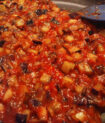
    Heat the oil until hot, then carefully add the spice paste (it may splutter). Stir for one minute over medium heat, then reduce to low. Simmer the paste gently for 20 minutes, keeping the lid slightly ajar. Stir occasionally with a wooden spoon to prevent sticking — add a splash of water if needed.

    After 20 minutes, the oil should begin to separate from the paste and appear around the edges. The paste should turn a rich golden brown and smell wonderfully aromatic — this means the base is properly cooked.

  4. Add the meat:
    Stir the meat into the paste, coating it well.

  5. Add stock and simmer:
    Pour in the stock and simmer gently with the lid on for about 40 minutes. For a drier curry, simmer uncovered.

  6. Add vegetables:
    Add your vegetables during the final 10–15 minutes of cooking, depending on their firmness and desired tenderness.

  7. Season to taste:
    Stir the sauce occasionally and season with salt to taste. Finish with a dash of fish sauce and a squeeze of lemon juice.

  8. To serve:
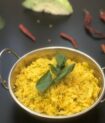
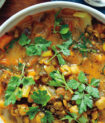
    Garnish with fresh coriander and serve with plain rice.

🌱 VEGETARIAN RECIPE 

Instructions:

  1. Make the spice paste:
    Blend the onion or shallots, garlic, and ginger into a smooth paste.

  2. Add the spice:
    Stir in 2–3 teaspoons of Burmese Curry Spice from Spice Mountain into the paste.

  3. Cook the paste – this is the key step:
    Heat oil in a saucepan until hot, then carefully add the spice paste (it may splutter). Stir for one minute over medium heat, then reduce to low. Simmer gently for 20 minutes with the lid slightly ajar, stirring occasionally to prevent sticking. Add a splash of water if needed.

    After 20 minutes, the oil should separate and the paste will turn golden brown. This means the base is properly cooked and ready for the next step.

  4. Add vegetables or plant-based protein:
    Stir in your chosen vegetables (e.g. aubergine, butternut squash, cauliflower, green beans) or a plant-based protein like tofu or tempeh. Coat well in the paste.

  5. Add stock and simmer:
    Add vegetable stock and simmer gently with the lid on for 30–40 minutes, or until the vegetables are cooked through. For a drier curry, simmer uncovered towards the end.

  6. Final touches:
    Add salt to taste, a splash of soy sauce or vegetarian fish sauce, and a squeeze of lemon or lime juice.

  7. To serve:
    Garnish with fresh coriander and serve with plain rice or flatbread.